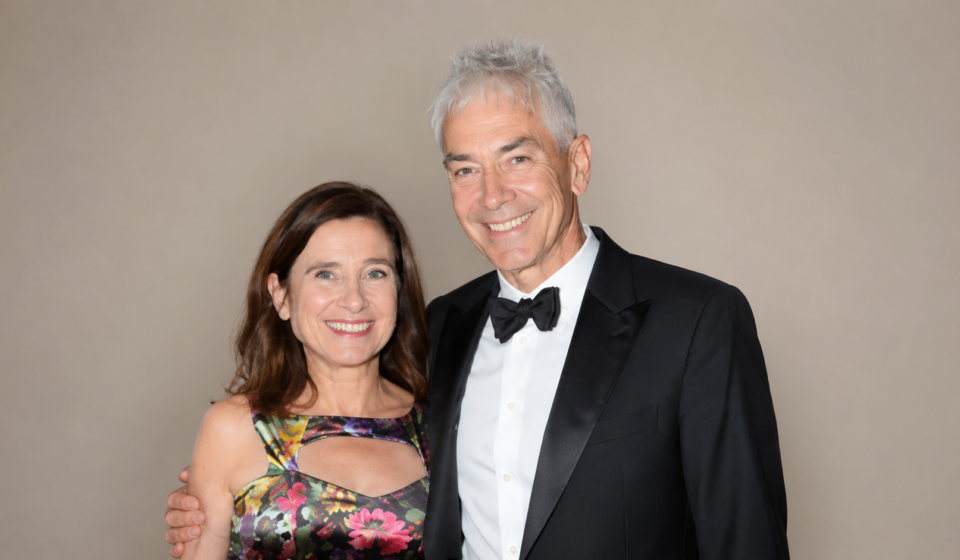

Introduction: Who Is Marc Chalamet?
Marc Chalamet is widely recognized as the father of internationally acclaimed actor Timothée Chalamet, but his identity extends far beyond celebrity parenthood. He is a French journalist, editor, and communications professional whose career spans respected media organizations and international institutions. Although he does not actively seek public attention, his name has become increasingly searched due to his son’s global fame.
In public discussions, Marc Chalamet is often described as a private, intellectual, and culturally grounded figure. His influence is frequently linked to the artistic success of his children, especially Timothée and Pauline Chalamet. As curiosity about celebrity families grows, Marc has become a subject of interest in entertainment journalism, biography searches, and online fan communities seeking to understand the origins of Timothée Chalamet’s artistic identity.
Early Life and Cultural Background
Marc Chalamet was born in France and spent his early years immersed in a traditional European cultural environment. He is associated with French heritage and is believed to have grown up in or near the southern region of France, where intellectual and artistic culture strongly shaped his worldview. This upbringing later influenced his professional path in journalism and international communication.
His cultural background plays a key role in understanding the Chalamet family identity. Marc’s French roots contributed to a bilingual household where both English and French were spoken regularly. This dual cultural environment later became a defining feature of his children’s upbringing, especially for Timothée Chalamet, who frequently expresses pride in his French-American identity and maintains strong ties to France.
Education and Professional Foundation
Marc Chalamet’s academic background is closely tied to communication, writing, and journalism. While detailed records of his early education are not widely publicized, his professional career suggests strong training in media studies, editorial work, and international reporting. His ability to work across cultures indicates a high level of linguistic and analytical skill.
Professionally, Marc built his reputation in journalism and editorial roles before transitioning into international communications work. His career reflects a blend of traditional reporting and global institutional involvement, positioning him as a bridge between French media culture and broader international organizations. This combination of skills later influenced his work with major humanitarian institutions.
Journalism Career and Work with Le Parisien
One of the most notable aspects of Marc Chalamet’s professional life is his association with the French newspaper Le Parisien. He reportedly worked as a correspondent, including time spent reporting from New York City. This role placed him in the center of cultural exchange between France and the United States, giving him firsthand experience in international journalism.
His work as a journalist helped shape his worldview and professional identity. Covering stories in a major global city like New York allowed him to engage with diverse communities, political developments, and cultural shifts. This experience not only strengthened his editorial skills but also deeply influenced his family life, as his children were raised in a multicultural environment shaped by his journalism career.
UNICEF and International Communications Work
Beyond journalism, Marc Chalamet is also associated with editorial and communications work connected to UNICEF, the United Nations agency focused on children’s welfare and global humanitarian efforts. In this role, he contributed to editorial projects and international messaging strategies that aligned with UNICEF’s mission of advocacy and global awareness.
His work with UNICEF reflects a shift from traditional media reporting to institutional communication. This transition highlights his ability to adapt his skills to global humanitarian contexts. It also reinforces the intellectual and socially conscious environment in which his children were raised, emphasizing awareness of global issues, education, and cultural responsibility.
Marriage to Nicole Flender and Family Life
Marc Chalamet is married to Nicole Flender, an American with a background in dance, theater, and real estate. She was previously involved in artistic performance, including Broadway-related training and creative work. Their marriage represents a union of French intellectual culture and American artistic tradition.
Together, Marc and Nicole built a family environment deeply rooted in creativity, education, and cultural exposure. Their home in New York City became a space where literature, performance, language, and film were actively encouraged. This combination of influences played a crucial role in shaping the artistic development of their children, particularly in theater and cinema.
Children: Timothée and Pauline Chalamet
Marc Chalamet is the father of two well-known actors: Pauline Chalamet and Timothée Chalamet. Both children have achieved recognition in the entertainment industry, although Timothée’s global stardom has brought the family significant international attention.
Timothée Chalamet is one of the most successful actors of his generation, known for films such as Call Me by Your Name, Dune, and Wonka. Pauline Chalamet has also built a strong acting career, particularly in television. The success of both siblings reflects a shared upbringing shaped by artistic encouragement, intellectual curiosity, and exposure to global culture.
Influence on Timothée Chalamet’s Career
Marc Chalamet’s influence on his son’s career is often discussed in biographies and entertainment analysis. Timothée’s bilingual ability, cultural awareness, and artistic sensitivity are frequently attributed to his upbringing in a French-American household. Marc’s journalism background contributed to an environment where communication and storytelling were highly valued.
This intellectual and cultural foundation helped Timothée develop a strong artistic identity early in life. His comfort with European cinema, fashion, and international film festivals reflects the cultural exposure provided by his father. As a result, Marc’s influence is considered a key factor in shaping one of Hollywood’s most distinctive young actors.
Life in New York City and Artistic Environment
The Chalamet family lived in Manhattan Plaza in New York City, a residential complex known for housing artists, performers, and creatives. This environment exposed the children to theater, dance, music, and film from an early age, reinforcing the artistic values already present in the household.
New York City played a central role in shaping the family’s identity. Marc’s work as a correspondent and editor placed him within the city’s media landscape, while Nicole’s artistic background contributed to a vibrant cultural home life. This combination created a uniquely creative upbringing that influenced both Timothée and Pauline’s career paths.
French Identity and Cultural Heritage
Marc Chalamet’s French identity remains a core element of the family’s cultural foundation. French language, traditions, and values were actively maintained in the household, allowing the children to grow up bilingual and bicultural. This dual identity became an important part of Timothée Chalamet’s public persona.
The connection to France also provided the family with a strong international perspective. Summers spent in France, interactions with relatives, and continued engagement with French culture helped reinforce this heritage. Marc’s role in preserving this identity ensured that his children maintained strong ties to both American and European cultures.
Public Interest and “Nepo Baby” Discussions
As Timothée Chalamet’s fame increased, public interest in Marc Chalamet also grew significantly. Online discussions often focus on whether Timothée’s success is influenced by his family background, education, and industry exposure. These conversations are commonly associated with the broader “nepo baby” debate in Hollywood.
While some online users highlight the advantages of growing up in an artistic and connected environment, others emphasize Timothée’s talent, training, and independent success. Marc Chalamet himself has remained largely silent on these debates, maintaining a private stance and avoiding media engagement.
Net Worth and Professional Standing
Marc Chalamet’s net worth is not publicly confirmed, as he has spent most of his career in journalism and institutional communications rather than commercial entertainment. His professional life suggests a stable and respected career rather than celebrity-level wealth.
However, the family’s public profile has increased significantly due to Timothée Chalamet’s success in Hollywood. While Marc remains a private professional figure, his association with internationally recognized institutions and media organizations reflects a long and established career in communications.
Personality, Lifestyle, and Legacy
Marc Chalamet is generally described as private, intellectual, and culturally grounded. He does not actively participate in celebrity culture and prefers to maintain a low public profile despite his son’s global fame. This privacy has contributed to growing curiosity about his life and background.
His legacy is most clearly reflected in his children’s achievements and cultural identity. Through his work in journalism, international communication, and cultural preservation, Marc helped create an environment where creativity and intellectual exploration could flourish naturally.
Conclusion: The Quiet Influence Behind a Global Star
Marc Chalamet represents a unique figure in modern celebrity culture: a private intellectual whose influence is deeply embedded in the success of his children. As the father of Timothée Chalamet, his role in shaping a bilingual, culturally rich, and artistically driven household cannot be overlooked.
Although he does not seek fame, Marc Chalamet’s impact is visible in the global success of his family. His career in journalism, international communications, and cultural engagement created the foundation for one of Hollywood’s most dynamic young actors. In this way, his legacy continues not through personal fame, but through the artistic achievements of his children and the cultural influence they carry forward.